Understanding Aggressive Child Behavior in Psychology
Aggressive child behavior psychology focuses on why some children show anger, frustration, or violence in their daily lives. This can appear in many ways, such as fighting with peers, shouting at parents, or breaking things at home. Psychology helps us understand that aggression in children is not just about being “naughty” or “stubborn,” it often comes from deeper causes such as emotions, environment, or even biological factors.
Children who show aggression are usually trying to express feelings they cannot control or explain. For example, a child who is bullied at school might act out at home by hitting or yelling. In psychology, this is often seen as a defense mechanism. It’s important to understand that aggression is not always intentional; sometimes, it’s a reaction to stress, fear, or confusion.
Parents and teachers play a key role in identifying aggressive behaviors early. Instead of labeling the child as “bad,” they should try to observe patterns and triggers. For instance, does the aggression happen more when the child feels ignored, embarrassed, or pressured? Recognizing these signs is the first step toward managing aggressive behavior effectively.
Why Aggressive Child Behavior Happens: Psychological Reasons
Emotional Causes
One of the most common psychological reasons for aggression is emotional imbalance. Children who feel insecure, unloved, or misunderstood may use aggression as a way to gain attention. They may not know how to express sadness, so it turns into anger.
Family and Environment
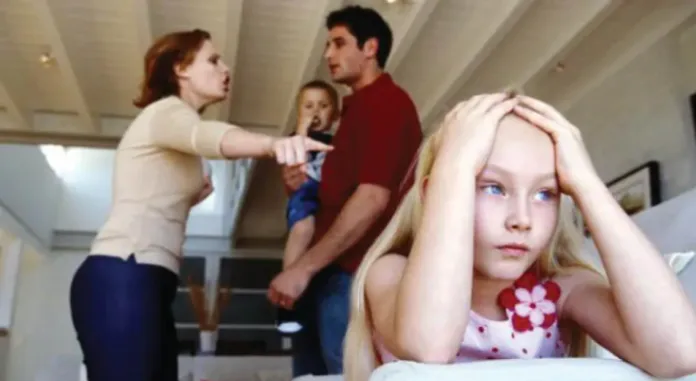
Aggression child behavior, and psychology also explain that the family environment plays a huge role. Children who grow up in homes with constant conflict, yelling, or even violence may learn to copy that behavior. Similarly, lack of parental attention or over-strict discipline can also lead to aggressive reactions.
Biological and Mental Health Factors
In some cases, aggressive behavior is linked to biological causes. For example, children with ADHD, autism, or other mental health challenges may find it hard to manage frustration. Hormonal imbalances or brain chemistry differences can also influence aggression levels.
Different Types of Aggressive Child Behavior in Psychology
Physical Aggression
This includes hitting, kicking, pushing, or breaking objects. It is one of the easiest forms to notice because it causes immediate harm or destruction.
Verbal Aggression
Yelling, name-calling, or using hurtful words are forms of verbal aggression. These may not cause physical harm, but can deeply hurt relationships and self-esteem.
Passive Aggression
This is harder to detect. It includes behaviors like ignoring instructions, giving silent treatment, or deliberately refusing to cooperate. Children use it as a way to show anger indirectly.
By studying these types, psychology helps parents and teachers understand that not all aggression looks the same.
How Psychology Explains Aggression in Children
Psychologists believe aggression is influenced by both nature and nurture. Nature refers to the biological side—genes, brain structure, or hormonal changes. Nurture refers to the environment a child grows up in—family, school, peers, and culture.
The Role of Learning
Children often copy what they see. If they watch cartoons, movies, or even family members showing aggression, they may think it’s normal. This is called observational learning.
The Role of Stress
Stress is another major factor. For example, exams, bullying, or parental pressure can trigger aggression. When a child feels they cannot control a situation, they may express frustration through anger.
The Role of Emotions
Unmanaged emotions like jealousy, fear, or insecurity also play a part. If a child feels left out or compared with others, aggression becomes a way of communicating their feelings.
Common Psychological Triggers of Aggressive Child Behavior
Aggressive child behavior psychology shows us that aggression does not come out of nowhere. There are usually specific triggers behind it.
School Pressure
Exams, homework, and competition can make children stressed. If they cannot handle the pressure, they may show aggression at home.
Peer Conflicts
Arguments with friends, bullying, or feeling excluded in groups can also lead to aggressive reactions.
Family Problems
Divorce, fights between parents, or lack of attention can create insecurity in children. They may use aggression to release bottled-up emotions.
Technology and Media Influence
Watching violent games or shows can increase aggressive thoughts and actions. Children may try to imitate what they see.
Lack of Emotional Guidance
When children are not taught how to handle anger or sadness, aggression becomes their only outlet.
Physical Aggression: When Children Use Their Hands and Feet
Physical aggression is one of the most visible forms of aggressive behavior in children. It includes actions such as hitting, kicking, biting, shoving, or even breaking objects around them. This type of aggression often happens when a child feels overwhelmed or powerless and uses physical force to express those emotions.
From the perspective of aggressive child behavior psychology, physical aggression usually comes from frustration. For example, a child who struggles with schoolwork might hit a sibling when teased about their grades. Another child may kick a chair when they are not allowed to play outside. These acts are not just misbehavior—they are signals that the child needs guidance on how to manage emotions in healthier ways.
Parents and teachers should not respond with equal aggression, as this can worsen the situation. Instead, they should calmly set boundaries and explain that hurting others is not acceptable. Offering alternative outlets, like sports, drawing, or even punching a pillow, can give children a safer way to release energy and frustration.
Verbal Aggression: Hurtful Words and Shouting
Verbal aggression is another common type of child aggression. It involves yelling, name-calling, teasing, threatening, or using harsh words to hurt others. Unlike physical aggression, verbal aggression does not leave visible scars, but it can cause deep emotional pain. Children who are constantly exposed to verbal aggression may develop low self-esteem or fear social interactions.
Aggressive child behavior psychology explains that verbal aggression often appears when children lack communication skills. For example, instead of saying, “I am angry because you took my toy,” a child may scream or call someone names. They know they feel upset but don’t have the vocabulary or patience to express it properly.
Parents can help by teaching children simple ways to express their emotions. Encouraging the use of “I feel” statements—for example, “I feel sad when you don’t share with me”—can slowly replace shouting or insulting. Reading stories about kindness and practicing polite conversations at home can also make a difference.
Social Aggression: Bullying and Excluding Others
Social aggression is less direct than physical or verbal aggression but can be equally harmful. It happens when children use relationships to hurt others—for example, bullying, spreading rumors, or excluding someone from a group. This type of aggression is often harder to notice because it takes place quietly, sometimes behind adults’ backs.
Common Signs of Social Aggression
- A child forming “exclusive groups” at school and leaving others out.
- Spreading false stories about a friend to damage their reputation.
- Using peer pressure to control or dominate others.
- Making fun of someone in a group setting to embarrass them.
- Silent treatment or deliberately ignoring someone as punishment.
Aggressive child behavior psychology views social aggression as a way for children to gain control or power. Many times, this behavior develops because the child feels insecure or powerless in other areas of life. By excluding or bullying others, they feel temporarily stronger.
To handle this, teachers and parents should encourage empathy. Group activities where children must work together can teach cooperation. Role-playing games where children imagine themselves in the victim’s place can also help reduce this form of aggression.
Emotional Aggression: Anger Outbursts and Mood Swings
Emotional aggression involves sudden anger, tantrums, crying fits, or extreme mood swings. Unlike physical or verbal aggression, this type is more about uncontrolled emotions spilling out in unhealthy ways. For example, a child may throw things, scream, or cry loudly when things don’t go their way.
According to aggressive child behavior psychology, emotional aggression often happens because children don’t yet know how to regulate their emotions. Small disappointments, like losing a game or being told “no,” feel much bigger to them. Instead of calming themselves, they explode with anger.
Parents should avoid punishing emotional aggression harshly. Instead, they should guide the child in naming their feelings: “You are angry because your toy broke.” This acknowledgment helps the child feel understood and learn better coping skills. Teaching calming techniques, such as deep breathing, counting to ten, or drawing their feelings, can slowly reduce emotional aggression.
Practical Ways to Handle Aggressive Child Behavior with Psychology Tips
Handling child aggression requires patience, understanding, and consistent strategies. Child behavior psychology reveals that aggression can be managed when children are guided in the right direction.
Tips to Handle Aggressive Behavior
- Stay Calm and Consistent – If adults react with anger, the child learns to copy that behavior. Responding calmly shows a better model.
- Set Clear Rules and Consequences – Children need to know what behaviors are unacceptable and what consequences will follow if they cross limits.
- Encourage Positive Communication – Teach children to express feelings with words, not fists or insults.
- Reward Good Behavior – Praise and rewards for positive actions can motivate children to repeat them.
- Reduce Triggers – If certain situations always cause aggression (like hunger or lack of sleep), try to address those first.
- Seek Professional Help if Needed – In some cases, therapists or counselors may be necessary to help children manage aggression better.
These practical steps can slowly help children replace aggression with healthier ways of coping. The key is to stay patient and remember that change takes time.
Conclusion
Aggression in children is not just “bad behavior”—it is often a cry for help. Through the lens of aggressive child behavior psychology, we can see that physical, verbal, social, and emotional aggression all have deeper causes, from family problems to emotional struggles. Instead of punishing children harshly, parents and teachers should focus on guiding them with understanding, empathy, and clear boundaries.
By teaching children how to express emotions in healthy ways, reducing stress triggers, and offering positive role models, we can transform aggressive behavior into cooperation and kindness. Every child deserves the chance to learn self-control and emotional strength. With patience and proper guidance, even the most aggressive child can grow into a balanced and caring individual.