What Are the Psychological Effects of Child Grooming?
The psychological effects of child grooming can be deeply damaging and often last for many years. Grooming happens when someone slowly builds trust with a child in order to manipulate or exploit them. On the outside, it may look like friendship or kindness, but in reality, it is a harmful process that breaks down a child’s sense of safety and confidence. Children often do not realize what is happening until the harm is already done, which makes the emotional impact even heavier.
At its core, grooming affects how a child sees themselves and the world around them. Instead of feeling safe, they may start to feel fear, shame, or guilt. These feelings can shape how they think, how they behave, and how they relate to others. The effects are not just short-term; they can influence mental health and personal development well into adulthood.
How Grooming Breaks Trust
One of the biggest psychological harms is the breaking of trust. Children naturally trust adults, especially those who show care and attention. When this trust is abused, the child may grow up struggling to trust others. This mistrust doesn’t stop with strangers—it can affect relationships with family, teachers, and friends as well.
Emotional Confusion
Another effect is emotional confusion. A child may not understand why someone they trusted hurt them. They may even blame themselves. This confusion often leads to feelings of guilt, shame, or low self-worth.
How Child Grooming Affects a Child’s Mental Health
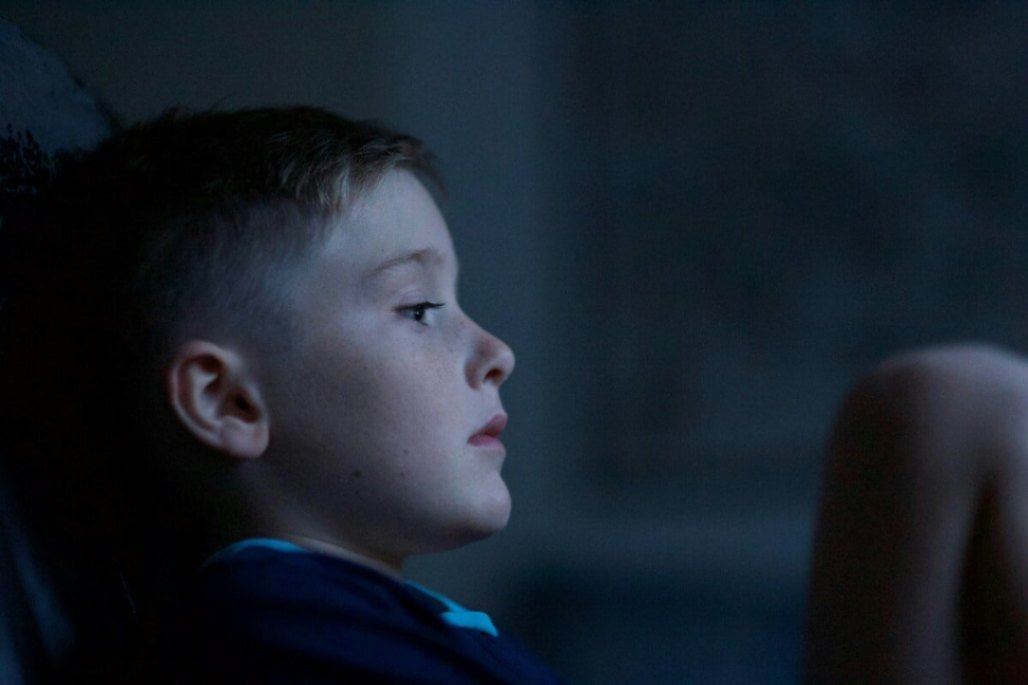
Grooming is not just about physical harm it leaves invisible scars on the mind. The damage goes far deeper, often showing up as stress, sadness, or fear. These are clear signs of mental health struggles that can stay with the victim for years.
Anxiety and Stress
Many victims experience anxiety after being groomed. Simple situations, like meeting new people or going to school, can trigger fear or panic. The child might constantly worry about being hurt again, which affects their daily life.
Depression and Hopelessness
Depression is another common result. A child who has been groomed may feel empty inside or lose interest in things they once enjoyed. They may struggle to see a positive future, which is very damaging for their growth.
Isolation from Others
Children suffering from the psychological effects of child grooming often isolate themselves. They may avoid friends or social activities, leading to loneliness. This isolation only makes their mental health worse over time.
The Emotional Pain and Trauma Caused by Grooming
The emotional pain caused by grooming is often invisible to outsiders, but it can be extremely heavy for the child. Trauma does not fade quickly; it can stay in the mind and body, affecting thoughts, emotions, and even physical health.
Feeling Unsafe Everywhere
Victims may feel unsafe in places where they should feel secure, like home or school. This constant sense of danger makes it difficult for them to relax or enjoy life.
Nightmares and Flashbacks
Some children relive the grooming experience through nightmares or flashbacks. This trauma response can cause sleep problems, sudden fear, and emotional breakdowns.
Struggles with Trust and Relationships
Emotional trauma often damages how children connect with others. They may avoid forming close relationships, fearing they might get hurt again. This struggle often continues into adulthood, affecting friendships, love, and even family bonds.
Long-Term Psychological Effects of Child Grooming on Victims
While the damage of grooming starts in childhood, the long-term psychological effects of child grooming can last well into adulthood. Victims may carry the weight of their past for years, affecting education, careers, and relationships.
Lasting Mental Health Issues
Anxiety, depression, and post-traumatic stress disorder (PTSD) are common long-term struggles. These conditions can make it difficult for victims to live a stable and happy life.
Low Self-Esteem and Identity Problems
Many victims question their self-worth. They may believe negative things about themselves because of what happened. Some even struggle with their identity, feeling unsure about who they really are.
Impact on Future Relationships
Trust issues can make future relationships difficult. Victims may either avoid relationships altogether or end up in unhealthy ones because they don’t know what safe love looks like.
Child Grooming and Its Impact on Self-Esteem and Confidence
Self-esteem and confidence are often shattered by grooming. A child who was once happy and outgoing may become withdrawn and doubtful of themselves. The manipulation they went through can make them believe lies about their value and abilities.
Constant Self-Blame
Many victims blame themselves for what happened. Even though it is never the child’s fault, they may feel guilty, thinking they could have prevented it. This guilt lowers self-esteem and makes them feel powerless.
Fear of Speaking Up
Low confidence often stops children from asking for help. They may fear no one will believe them or that they will be judged. This silence keeps them trapped in pain.
Difficulty in School and Activities
Children with low self-esteem often lose interest in studies or activities they once loved. They may avoid class participation, leading to lower grades and missed opportunities.
Why Children Struggle to Trust Others After Grooming
One of the strongest psychological scars left by grooming is the loss of trust. When a child is groomed, someone they believed to be safe and kind takes advantage of them. This betrayal shakes their ability to believe in people, even those who genuinely care about them.
Trust is an essential part of growing up. Children should feel safe with their parents, teachers, and friends. But grooming changes this. Victims often fear that anyone who shows kindness might have hidden intentions. As a result, they may become cautious, distant, or overly suspicious.
This mistrust doesn’t only affect childhood—it can follow them into teenage years and even adulthood. Relationships become harder to form, whether friendships, romantic partnerships, or professional connections. The loss of trust is not just a small issue; it deeply changes how the child interacts with the world.
The Connection Between Child Grooming and Anxiety or Depression
The psychological effects of child grooming are strongly linked to mental health disorders like anxiety and depression. Groomed children often carry heavy emotional burdens that affect their daily life.
Anxiety in Victims
- Many children develop constant fear after grooming.
- They may worry about being harmed again.
- Simple activities like going to school or meeting strangers become stressful.
Depression in Victims
Depression is another common effect. Children may lose interest in things they once enjoyed, withdraw from friends, and feel hopeless about the future. Grooming makes them feel powerless, and this powerlessness feeds depression.
Long-Term Impact
If untreated, anxiety and depression can last into adulthood. Victims may struggle with studies, careers, and relationships because of these mental health issues. The emotional burden becomes a lifelong challenge unless proper support is given.
How Grooming Affects a Child’s Education and Social Life
School and friendships are big parts of childhood, but grooming often disrupts both. Victims may find it hard to concentrate in class, leading to poor academic performance. The mind is so overwhelmed with stress and trauma that learning becomes difficult.
Impact on Studies
A child suffering from trauma may fail to focus, forget important lessons, or avoid school altogether. Some may develop behavioral issues that make teachers misunderstand them, when in reality they are struggling inside.
Impact on Social Life
Friendships often fade because the child loses confidence in others. They may avoid group activities, stay silent in conversations, or withdraw completely. This isolation creates loneliness, which makes recovery even harder.
The psychological effects of child grooming go beyond private pain—they affect public life too. A child’s growth, both academically and socially, can be slowed down or completely disrupted.
Warning Signs of Psychological Damage in Groomed Children
These warning signs are often overlooked, but they are clear indicators that a child might be suffering. Recognizing them early can prevent further damage and help provide timely support. Parents, teachers, and guardians must learn to recognize early signs of emotional and mental harm caused by grooming. Some of the most common signs include:
- Sudden mood swings or unexplained sadness
- Avoiding friends, family, or school
- Fear of certain people or places
- Nightmares or trouble sleeping
- Falling grades or lack of interest in studies
- Low self-esteem or constant self-blame
- Extreme silence or, in some cases, sudden anger outbursts
Ways to Support Victims and Help Them Heal Emotionally
Healing from grooming takes time, patience, and care. Victims need strong emotional support to rebuild their confidence and mental health.
Family Support
Family members should create a safe space where the child feels loved and believed. Listening without judgment is one of the most powerful ways to help.
Professional Help
Counselors and therapists play a big role in recovery. They can guide the child through trauma, teaching coping strategies to handle fear, anxiety, and depression.
Peer and Community Support
Support groups and trusted friends can help victims feel less alone. Meeting others who faced similar experiences makes the child realize that healing is possible.
Encouraging Positivity
Small achievements, hobbies, and encouragement can slowly rebuild self-esteem. Even celebrating small steps can help the child feel valued again.
The road to recovery is long, but with consistent care and support, children can regain strength and lead happy, meaningful lives.
Conclusion
The psychological effects of child grooming are deep and long-lasting. From broken trust and emotional trauma to anxiety, depression, and struggles in school, the damage touches every part of a child’s life. What makes grooming especially harmful is that it targets trust—the very foundation of childhood safety. Yet, healing is possible. With family support, professional counseling, and a safe environment, victims can slowly rebuild their confidence and mental health.
Parents, teachers, and society need to recognize the warning signs and respond with care and compassion. The journey to recovery is not easy, but with love, patience, and the right support, children can overcome the shadows of grooming and reclaim their future