Introduction:
Why Understanding the Psychological Reasons for Stealing as a Child Matters
When parents or teachers notice a child taking something that doesn’t belong to them, the first reaction is often anger or disappointment. But before labeling the child as “bad” or “dishonest,” it is important to understand the psychological reasons for stealing as a child. Kids don’t always steal because they want to be criminals in the future. Many times, stealing is connected to emotions, stress, or personal struggles that children cannot express in words.
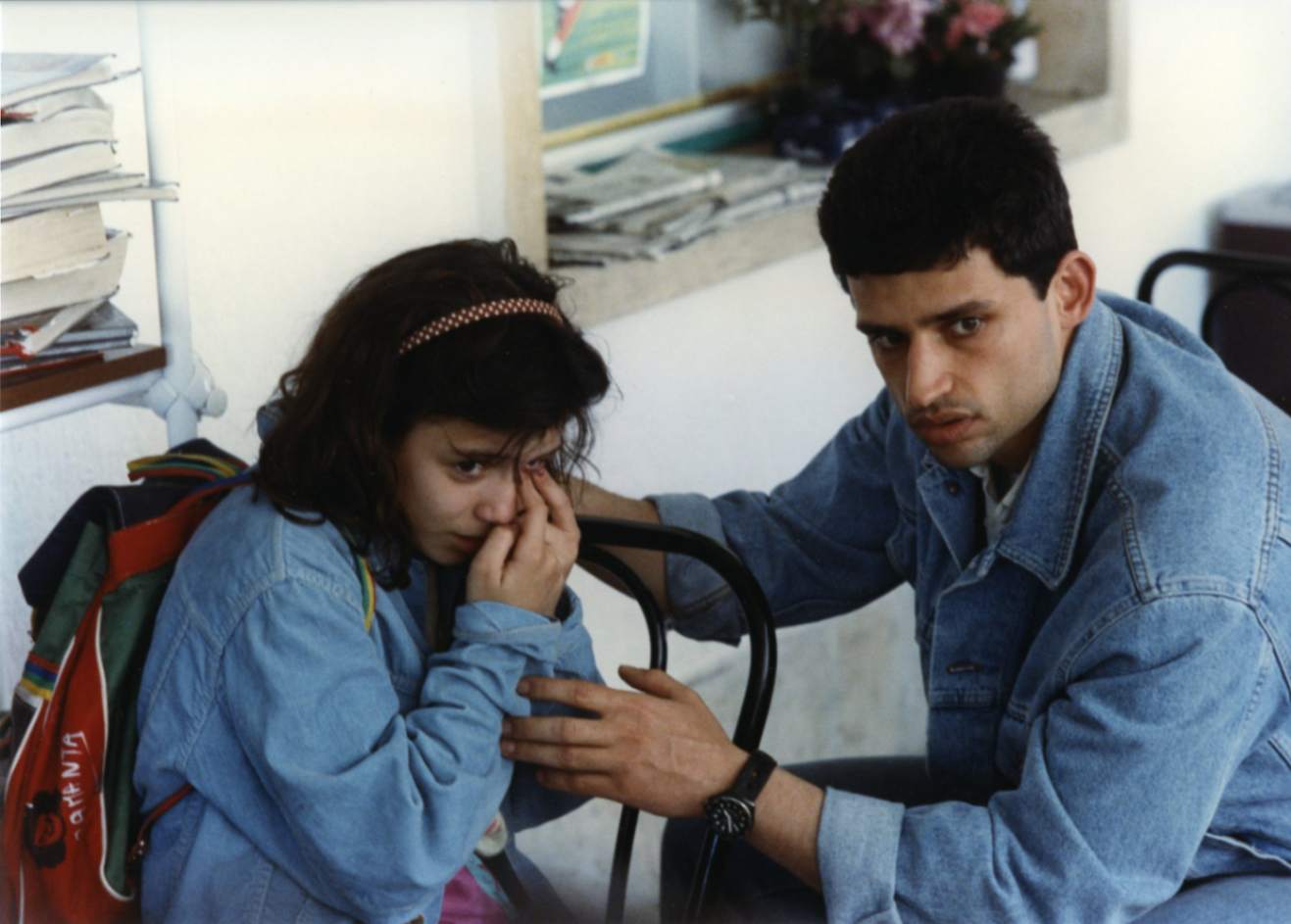
A child’s mind works differently from an adult’s. What may look like a simple act of stealing can actually be a hidden message about what the child is feeling inside. For example, some children steal to gain attention, while others do it because they are struggling with low self-esteem or emotional pain. By exploring these deeper psychological factors, parents and teachers can respond with guidance rather than punishment. This not only helps the child overcome stealing but also supports their emotional development.
Psychological Reason 1: Attention-Seeking Behavior in Children Who Steal
Why Children Steal for Attention
One of the most common psychological reasons for stealing as a child is the need for attention. Children naturally want to feel noticed and valued. If they feel ignored at home or school, they may use stealing as a way to make adults pay attention to them. Even if the attention is negative, like scolding or punishment, the child still gets the reaction they were craving.
Examples of Attention-Seeking Stealing
- A child might take a toy from a classmate just to hear the teacher scold them.
- A child might secretly take money from a parent’s wallet so that the parents finally notice and talk to them.
In both cases, the child is not motivated by greed but by the emotional need to be seen. This shows how important emotional connection is in preventing stealing behaviors.
Psychological Reason 2: Emotional Needs Behind Stealing as a Child
The Connection Between Emotions and Stealing
Another hidden reason why children steal is to fulfill unmet emotional needs. For example, if a child feels lonely, unloved, or left out, they might take something as a way to comfort themselves. It becomes a coping mechanism. This is one of the key psychological reasons for stealing as a child because emotions strongly influence behavior at a young age.
Signs of Emotional Stealing
- The child often steals items that remind them of security, like toys or food.
- They may appear happier or calmer after stealing something.
- The stealing usually happens when the child feels sad or rejected.
How to Help
Parents and teachers can reduce this type of stealing by giving the child more love, attention, and reassurance. When children feel secure and emotionally supported, their urge to steal decreases.
Psychological Reason 3: Peer Pressure and Social Influence on Stealing Habits
The Power of Friends
Peer pressure plays a huge role in a child’s behavior. Many kids steal not because they want to but because their friends encourage or force them to. At a young age, children want to “fit in,” and sometimes they believe stealing will help them gain acceptance in a group.
Examples of Peer Pressure Stealing
- A group of friends dares a child to steal candy from a shop.
- A child copies a friend’s stealing habit because they don’t want to feel left out.
Why This is a Serious Concern
This form of stealing is dangerous because it can grow into a habit if not corrected early. Children may begin to believe that stealing is “normal” behavior as long as everyone is doing it. Parents should watch carefully who their children spend time with and teach them how to say no to negative influences.
Psychological Reason 4: Childhood Stress, Anxiety, and the Urge to Steal
Stress as a Hidden Cause
Modern children face more stress than many adults realize. School pressure, family conflicts, or even bullying can cause deep anxiety. One of the overlooked psychological reasons for stealing as a child is stress relief. Some children steal because it gives them a temporary sense of control or excitement in their stressful lives.
The Link Between Anxiety and Stealing
- A child who feels powerless at school may steal small things to feel stronger.
- Stealing may give a child a rush of excitement that helps distract them from stress.
Helping Children Deal With Stress
Instead of harsh punishment, parents can guide children toward healthy coping strategies like drawing, sports, or journaling. By teaching kids better ways to handle stress, parents can reduce their urge to steal.
Psychological Reason 5: Low Self-Esteem and Identity Struggles in Children Who Steal
How Self-Esteem Affects Stealing
A child with low self-esteem often struggles to feel worthy or accepted. Stealing becomes a way to fill that emotional gap. For example, a child might steal branded items, not because they need them, but because it makes them feel more confident or respected by peers. This highlights one of the deeper psychological reasons for stealing as a child.
Identity and Belonging Issues
Children are still discovering who they are. If they don’t feel proud of their identity, they may try to create a new one by stealing things that make them look “cool” or important. Sadly, this behavior can create long-term problems if left unchecked.
Building Self-Worth Without Stealing
The best way to help children with low self-esteem is through encouragement and positive reinforcement. Parents should highlight the child’s strengths, celebrate their small successes, and remind them that they are valuable without needing to steal.
Psychological Reason 5: Low Self-Esteem and Identity Struggles in Children Who Steal
(Already written above in part 1, continuing with Heading 6 onward as per your instruction)
The Difference Between Normal Childhood Curiosity and Stealing
Curiosity vs. Intentional Stealing
Not every act of taking something counts as stealing. Many young children pick up items out of simple curiosity. For example, a toddler might take a toy from another child, not because they want to steal it but because they don’t yet understand the concept of ownership. This is very different from older children who knowingly hide things that aren’t theirs.
How Parents Can Tell the Difference
- If a very young child takes something but shows it openly, it’s usually innocent curiosity.
- If an older child takes something secretly and hides it, it may point to deeper psychological reasons for stealing as a child.
- If the behavior repeats even after guidance, it is a sign that the issue needs careful attention.
Understanding this difference helps parents respond wisely—guiding the child rather than reacting with harsh punishment when curiosity is the real cause.
Positive and Negative Effects of Childhood Stealing on Mental Growth
Positive Lessons That Can Be Learned
While stealing is often seen as a negative act, it can sometimes become a learning opportunity. When handled calmly, stealing can teach children about honesty, empathy, and respect for others. For example, a child who is gently guided to return a stolen item may learn a powerful lesson about responsibility and the importance of trust.
Negative Impacts on Mental Development
If stealing becomes a repeated behavior, it can damage a child’s self-image. They may begin to believe they are “bad” or unworthy, which affects confidence and relationships. Long-term effects may also include:
- Guilt and shame, leading to anxiety.
- Difficulty building trust with family and friends.
- Increased risk of repeating the behavior as they grow older.
Since childhood is the foundation of mental development, guiding children in the right way when stealing happens is very important. It can shape whether the experience becomes a positive learning moment or a harmful memory.
How Parents and Teachers Can Respond to Stealing Behavior in Kids
Practical Ways Parents Can Help
- Stay calm, not angry – Children are more likely to listen when they don’t feel attacked.
- Talk about honesty – Explain why stealing is wrong in simple words they can understand.
- Encourage responsibility – Ask the child to return the item and apologize.
- Spend quality time – Many children steal because they feel unnoticed.
Role of Teachers in Handling Stealing
Teachers also play a key role. In school, they should avoid shaming the child in front of classmates. Instead, they should:
- Have a private talk with the child.
- Involve the parents if the behavior repeats.
- Teach the whole class about respect and sharing to create a supportive environment.
By working together, parents and teachers can reduce the urge to steal and help children feel safe, understood, and valued.
The Difference Between Normal Childhood Curiosity and Stealing
(Already covered above—moving to heading 7 as per your outline)
The Difference Between Normal Childhood Curiosity and Stealing (Bullet Points Format)
Here’s a simple way to understand whether a child’s behavior is just curiosity or real stealing:
- Age Factor: Very young children often don’t know what stealing means. Older children do.
- Openness: A curious child shows the item openly. A child who steals usually hides it.
- Repetition: Curiosity fades quickly. Stealing often happens again and again.
- Awareness: Children who steal usually understand it’s wrong but do it anyway.
- Response to Guidance: Curious children stop when told. Children with deeper psychological reasons for stealing as a child may continue even after being guided.
This comparison helps parents avoid overreacting when it’s just curiosity while paying closer attention if stealing is repeated.
Final Thoughts: Guiding Children Towards Honesty and Emotional Balance
The Role of Family Support
Every child deserves understanding and patience. Instead of treating stealing as just a bad habit, parents should see it as a signal of deeper emotional or social needs. Children thrive when they feel loved, respected, and guided. By offering encouragement instead of harsh criticism, parents can help kids learn the value of honesty and self-control.
Building a Positive Future
When families and teachers work together, children who steal can grow into responsible and kind adults. Recognizing the psychological reasons for stealing as a child allows us to guide them towards healthier choices. Instead of punishment alone, giving them attention, emotional support, and life lessons builds a strong foundation for their future.
Conclusion
Stealing in children is often misunderstood. While it might look like simple misbehavior, in many cases it is linked to emotional struggles, stress, peer pressure, or low self-esteem. Understanding the psychological reasons for stealing as a child is the first step to solving the problem. Parents and teachers must respond with empathy, guidance, and support instead of only punishment.
By teaching children about honesty and providing them with emotional care, we can help them develop confidence, self-respect, and responsibility. In the end, every child has the potential to grow into an honest adult, and the right guidance during childhood makes all the difference.