What is Child Psychology and Why is it Importan?Child psychology is the study of how children develop cognitively, emotionally, and behaviorally as they grow. It helps us understand their emotions, learning, and development.
Ever wondered how children see the world around them? Understanding their thoughts and feelings can help us guide them better every day. If you’re a parent, teacher, or just curious, keep reading to discover what child psychology is and why it is important for every child’s growth.
Areas of Basic Child Psychology
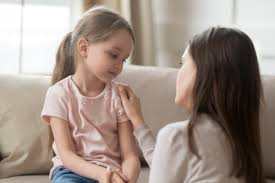
Child psychology encompasses the development, learning, and emotional well-being of children. It looks at their emotions, thoughts, and behavior from birth to teenage years. Each child grows at their own pace, and understanding these changes helps support their development.
The main areas include emotional, cognitive, and social development. Emotional development is how kids handle feelings. Cognitive development is how they think and learn. Social development is how they interact with others. These areas help us understand a child’s mind better and support them in the right way.
1. Physical Development
Physical development is how a child’s body grows and changes over time. It includes movement skills like crawling, walking, and coordination.
As children grow, their muscles, bones, and motor skills get stronger. This helps them do everyday activities and stay active.
2. Cognitive development
Cognitive development is how children learn, think, and solve problems. It includes memory, attention, and decision-making skills.
As they grow, kids start to understand the world better. They learn through play, experience, and asking questions.
3. Social-emotional development
Social-emotional development is how children understand feelings and build relationships. It helps them express emotions and connect with others.
As they grow, kids learn to share, take turns, and show empathy. These skills are important for making friends and handling emotions.
4. Behavior
Behavior is how a child acts at home, school, or with others. It shows their feelings, needs, and how they respond to situations.
Good behavior can be taught with love, rules, and support. Understanding behavior helps adults guide children in a positive way.
5. Emotions
Emotions are the feelings children have, like happiness, anger, or sadness. Learning to understand and express emotions is a big part of growing up.
When kids know how to talk about their feelings, they feel safer and more confident. This helps them build strong relationships and handle challenges better.
6. Socialization
Socialization is how children learn to talk, play, and get along with others. It teaches them rules, manners, and how to behave in groups.
As kids meet new people, they learn teamwork and respect. Socialization helps them feel confident and become part of a community.
Developmental Milestones
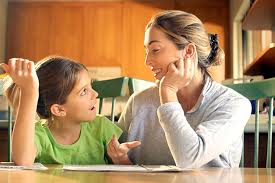
Developmental milestones are skills most children learn at certain ages, like walking, talking, or smiling. These milestones help parents and teachers see how a child is growing.
Every child is different, so some may reach milestones earlier or later. Watching these signs helps spot any delays and support the child’s healthy development.
-
Milestones overview
Milestones overview gives a simple look at what most children can do at certain ages. It includes skills like crawling, speaking, and playing with others.
These milestones help adults understand a child’s progress. They also show when extra support might be needed.
-
Physical milestones
Physical milestones are signs of how a child’s body is growing and moving. They include activities like sitting, walking, and holding objects.
Reaching these milestones shows strong muscles and good coordination. Parents can help by giving children time to play and move.
-
Cognitive or Mental Milestones
| Age Range | Key Skills | Examples |
| 0–6 months | Attention & recognition | Follows faces, reacts to sounds |
| 6–12 months | Exploring & memory | Remembers familiar people, reaches for toys |
| 1–2 years | Simple problem-solving | Finds hidden toys, understands simple words |
| 2–3 years | Understanding & following instructions | Matches shapes, follows 2-step commands |
| 3–4 years | Questioning & imagination | Asks “why”, plays pretend games |
| 4–5 years | Logical thinking & storytelling | Understands time, tells simple stories |
| 5–6 years | Early reasoning & learning | Solves simple puzzles, understands cause and effect |
-
Social and emotional milestones
Social and emotional milestones show how children learn to express feelings and build relationships. They begin to share, take turns, and show care for others.
As kids grow, they learn to manage emotions and understand how others feel. These skills help them make friends and feel confident in social settings.
-
Communication and language milestones
Communication and language milestones show how children learn to speak, listen, and understand words. They start by making sounds, then move to words and short sentences.
As they grow, kids learn to ask questions and follow directions. These skills help them express needs and connect with others.
Child Psychology at WWMG – What is Child Psychology and Why is it Important
Child Psychology at WWMG focuses on helping children grow emotionally and mentally. Trained experts work with kids to understand their feelings and behavior. They use kind and friendly methods to support each child’s unique needs. Parents are also guided to help their children at home. The goal is to make every child feel safe, happy, and understood.
WWMG provides support for issues like anxiety, learning problems, or social challenges. They listen carefully and create plans that work best for the child. With early care, kids can learn better ways to cope and grow. WWMG believes every child deserves a bright and healthy future.
Graduate Diploma in Child Psychology & Mental Wellness
The Graduate Diploma in Child Psychology & Mental Wellness teaches how to understand children’s thoughts and emotions. It helps students learn about child development, behavior, and mental health. The course is great for teachers, parents, or anyone who works with kids. It uses simple, real-life examples to explain deep topics. Students gain skills to support children in a kind and helpful way.
This program also focuses on mental wellness in children. It teaches how to handle stress, anxiety, and emotional challenges. With this diploma, you can make a real difference in a child’s life. The knowledge can be used in schools, clinics, or even at home. It’s a smart step toward building a caring and healthy future for kids.
Who will benefit from the programme?
This programme is perfect for teachers, parents, and anyone working with children. It helps them understand kids better and support their mental and emotional growth.
Conclusion:
Child psychology helps us understand how children think, feel, and grow. It guides parents, teachers, and caregivers to support children in the best way. By learning about child development, we can create a safe and happy space for them. Each child is different and needs love, care, and guidance. Understanding their minds makes a big difference in their future.
Studying child psychology is helpful for anyone who wants to work with or care for kids. It gives us the tools to notice problems early and help children grow strong. With the right support, every child can reach their full potential. Let’s listen, learn, and lead them with kindness.